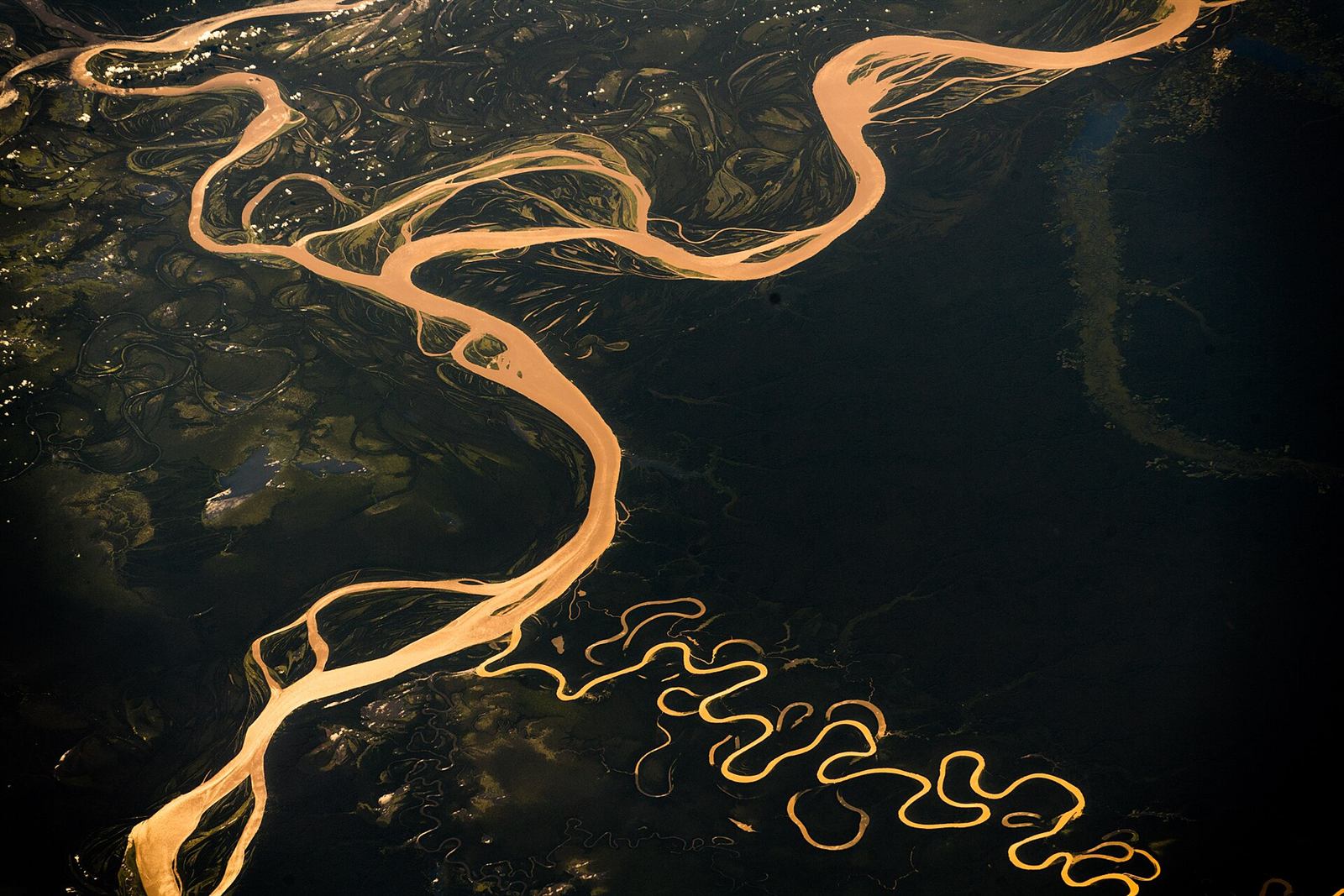
An aerial view of a river winding through the Amazon Rainforest

🌿 The most biologically diverse ecosystem in the world

The Amazon Rainforest

“The Lungs Of The Planet”

scroll
1/10 of the world's known species
0+ species of birds
CO2 ➜ O2 turning CO2 into oxygen
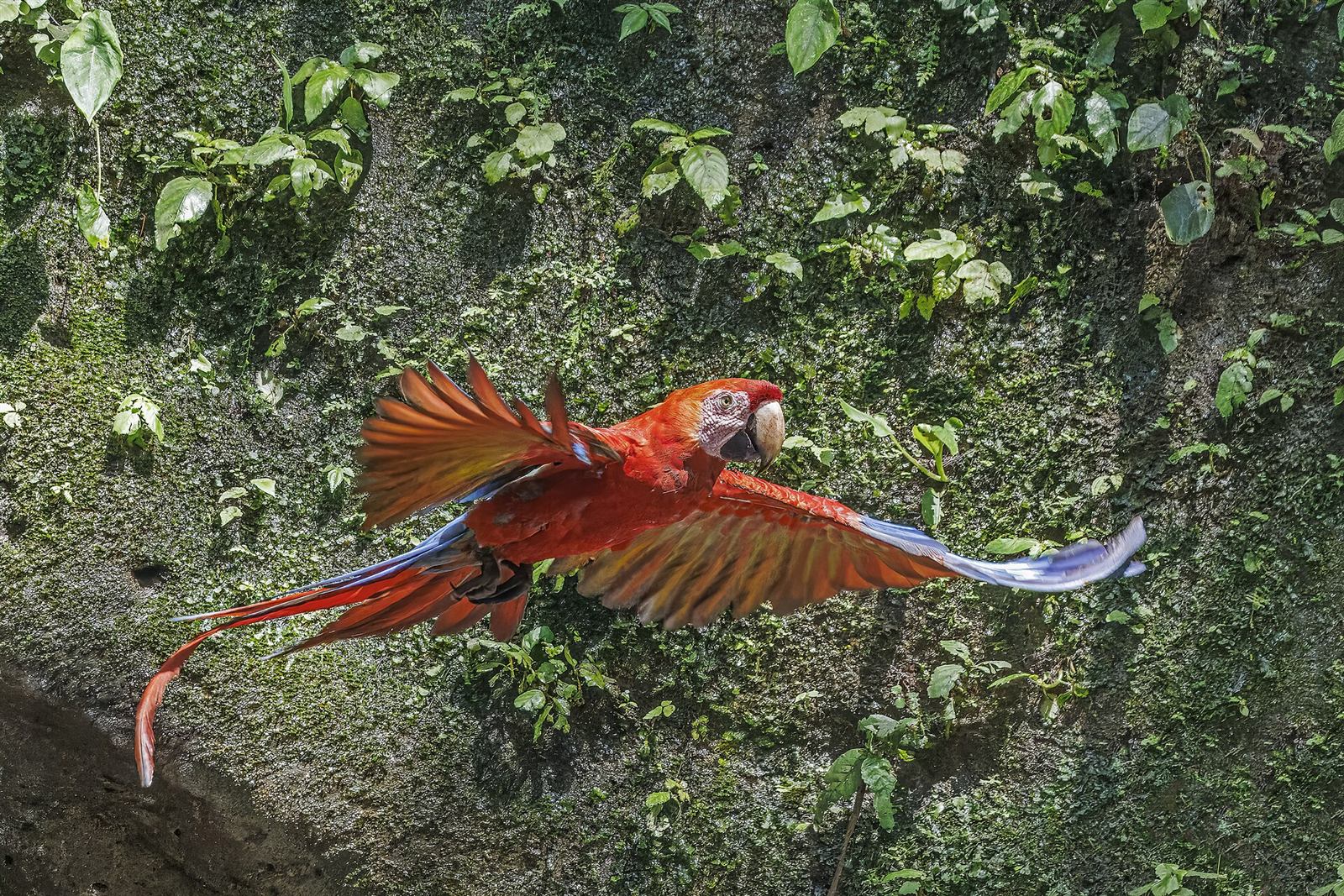
A scarlet macaw flying over the rainforest canopy

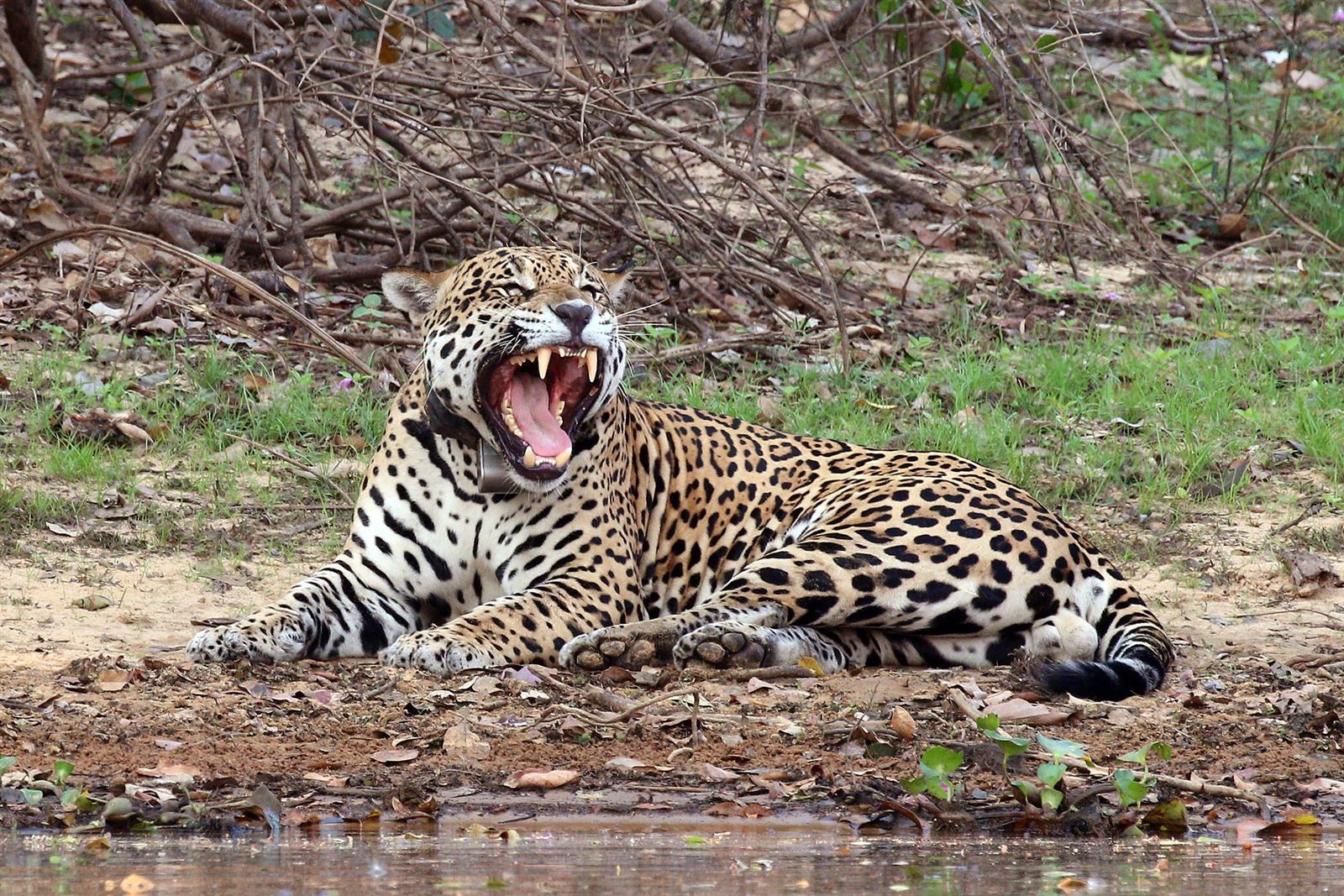
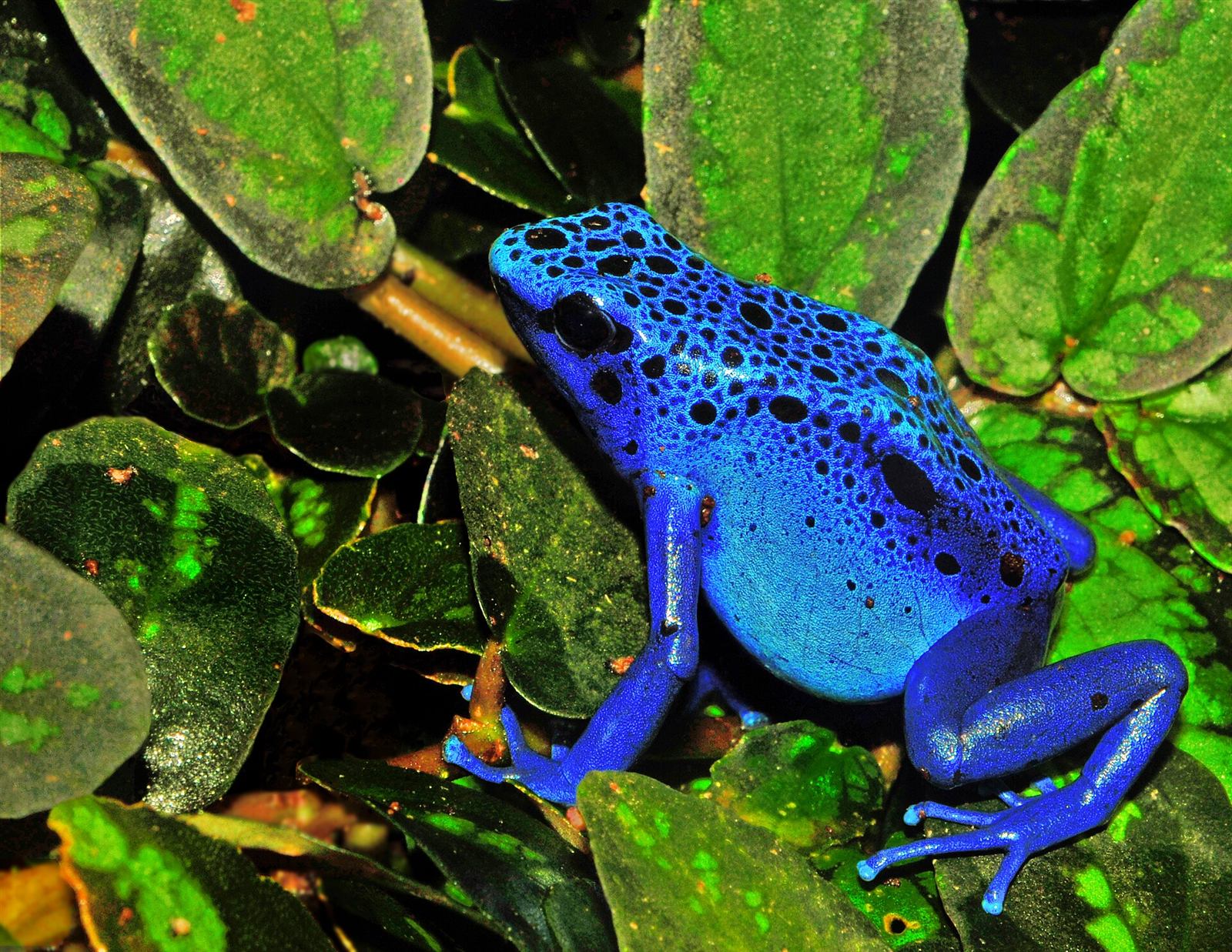
The Amazon Rainforest is the most biologically diverse ecosystem in the world, with no other ecosystem coming close to the amount of life that is found inside of it. This makes it very important to protect since it contains 1/10 of the world's known species, which is a massive amount of life for just one place to hold. Each layer of the canopy is its own ecosystem, so the rainforest is basically multiple ecosystems stacked on top of each other, and every layer has its own species living in it. There are a lot of types of habitats to provide for all the animal species, so no matter what an animal needs to survive, the rainforest most likely has a place for it. It has over 1300 species of birds, which is a huge amount for just one ecosystem. It is referred to as the “Lungs Of The Planet” because it takes a massive role in taking CO2 and turning it into oxygen, also storing the carbon so it doesn't go back into the air.
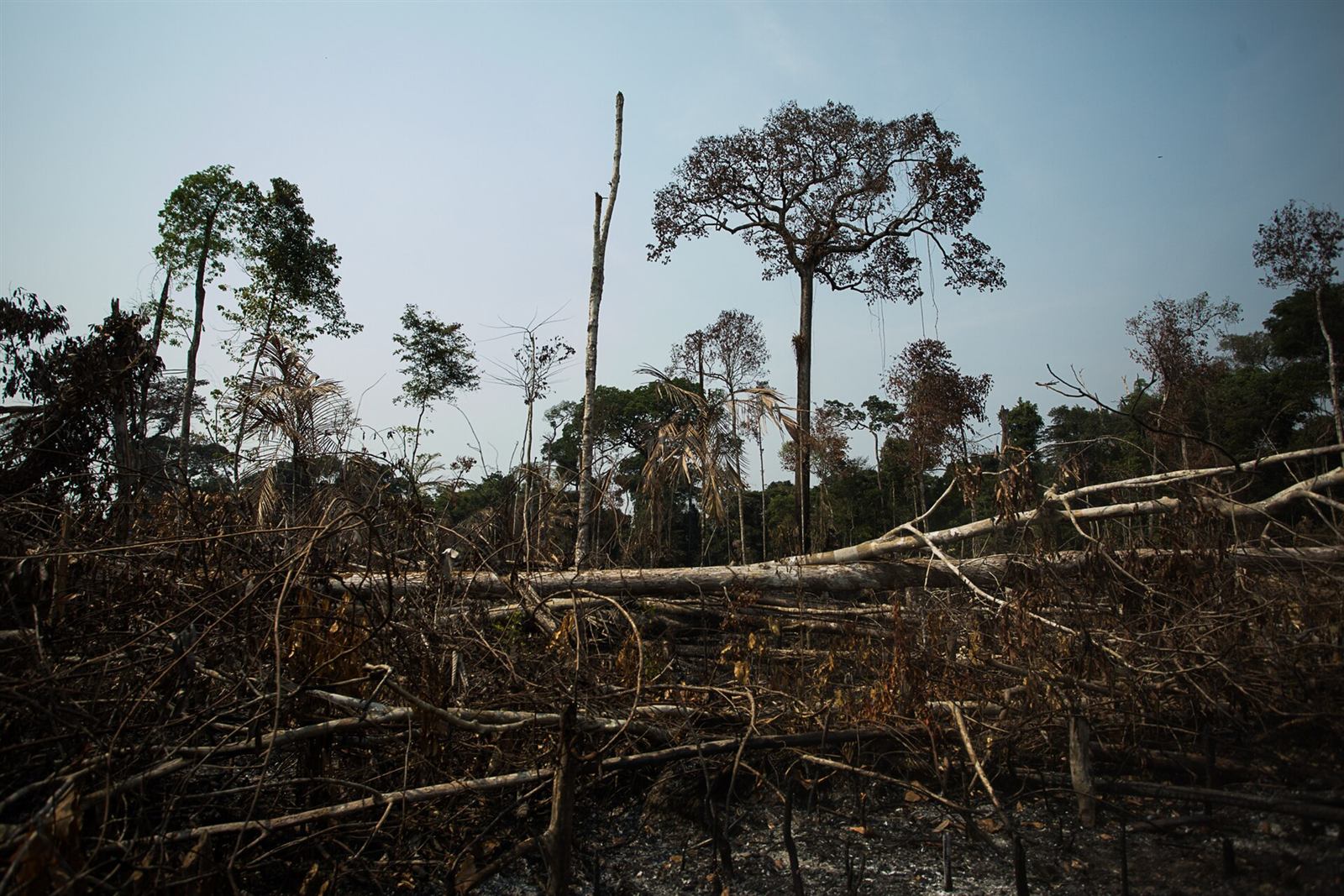
Cut down and burned trees in a deforested part of the Amazon

A threat to the amazon is logging. Logging is a major issue because it gets rid of vital trees which capture Co2 and produce oxygen while providing habitats for the majority of animals, and the main animal population is within forested areas. Another problem is oil drilling. Oil drilling has major downsides as oil spills are common and have many environment-harming qualities, one of these being how it makes water undrinkable and unclean so wildlife and humans have a hard time surviving. Yet another big problem is how toxic waste is being constantly dumped such as the element mercury. Mercury is very harmful to its surroundings and will poison anything that eats even a small amount. It filters into rivers making them unclean and impossible to drink from with it being harmful to simply swim in the water. Animals who absorb mercury are then poisoned and die, and if another animal, even a human thinks that it's an easy catch then eats it, they will now be poisoned and will likely die to eventually spread the poison somewhere else.

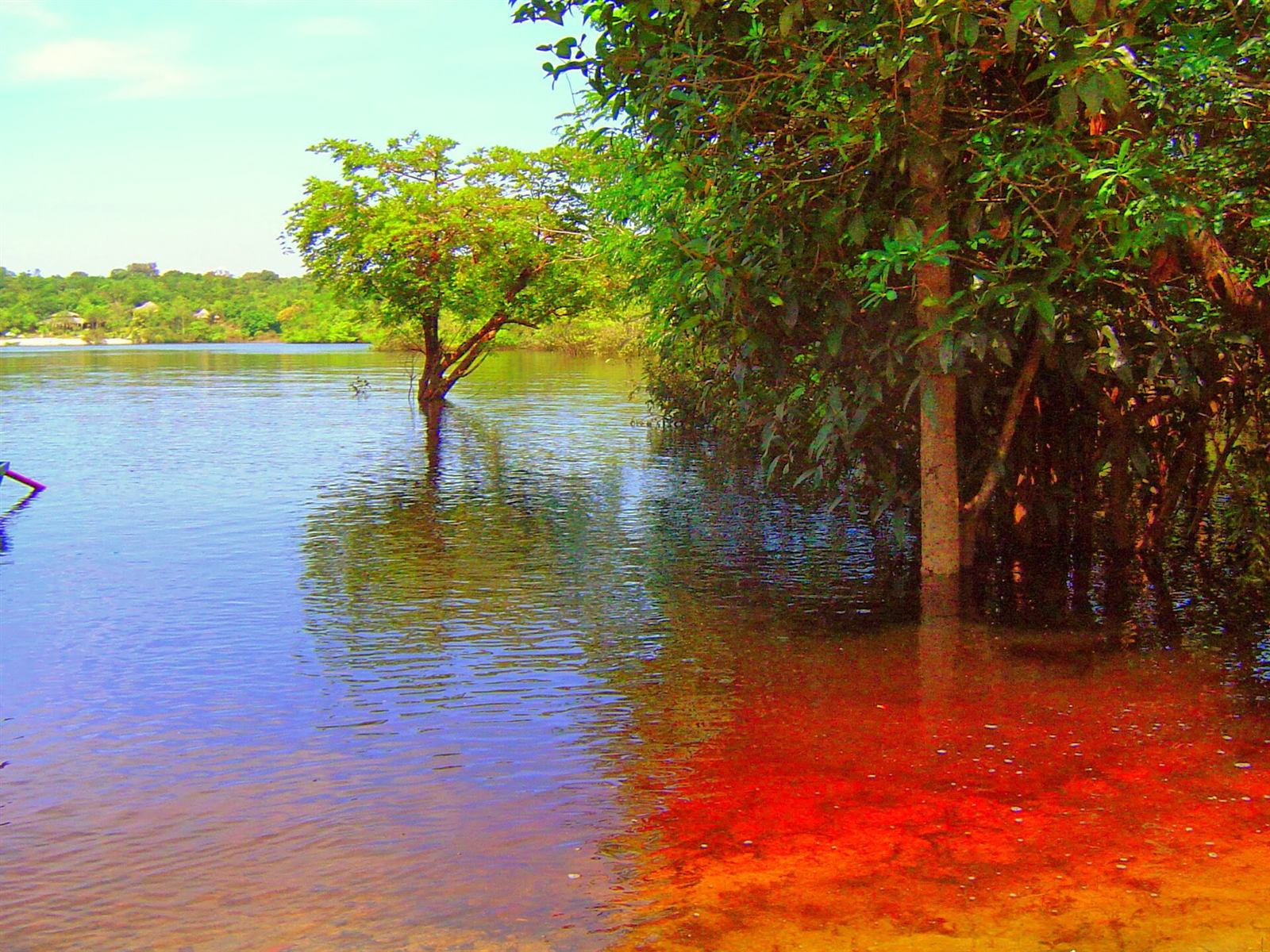
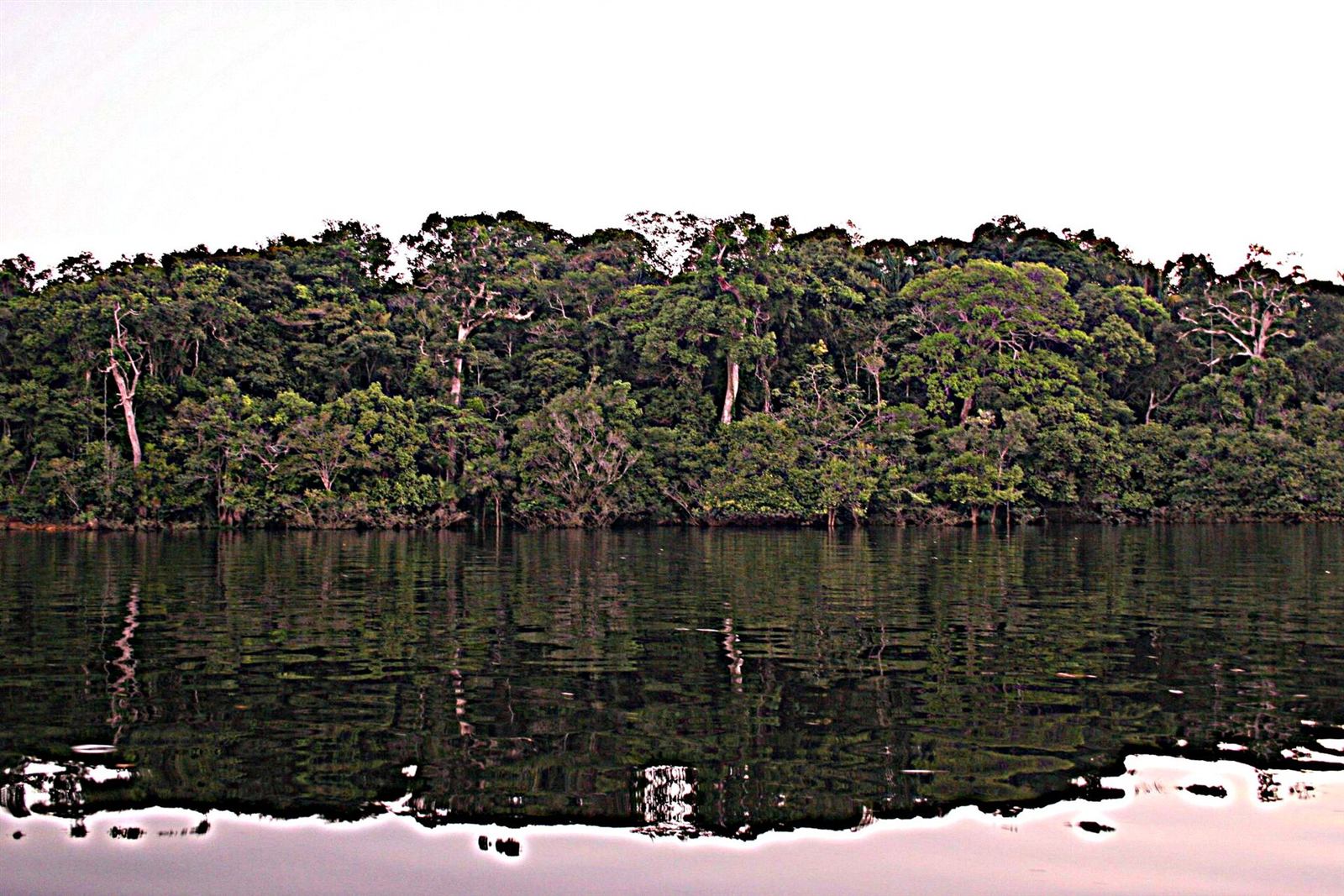
Trees of the Amazon reflected in dark river water

It matters because toxic waste is constantly dumped into the water of the Amazon, which harms wildlife by making the water harmful to swim in and drink. It also harms animals who drink from it, so if a poisoned animal is eaten it will poison whoever ate it, but most often Indigenous people. This means the poison never just stays in one spot, it keeps getting passed from the water to the animals and then to the people, with the Indigenous people being the ones who end up dealing with it the most. The roads that are there remove animal habitats which are harmful to the environment, and the animals that lived in those habitats are left with nowhere to go. All of this changes the balance of life, making the ecosystem unstable and prone to break down. An ecosystem like the Amazon only stays standing when that balance is kept, so the more the water gets poisoned and the more habitats get removed, the closer the whole ecosystem gets to breaking down.